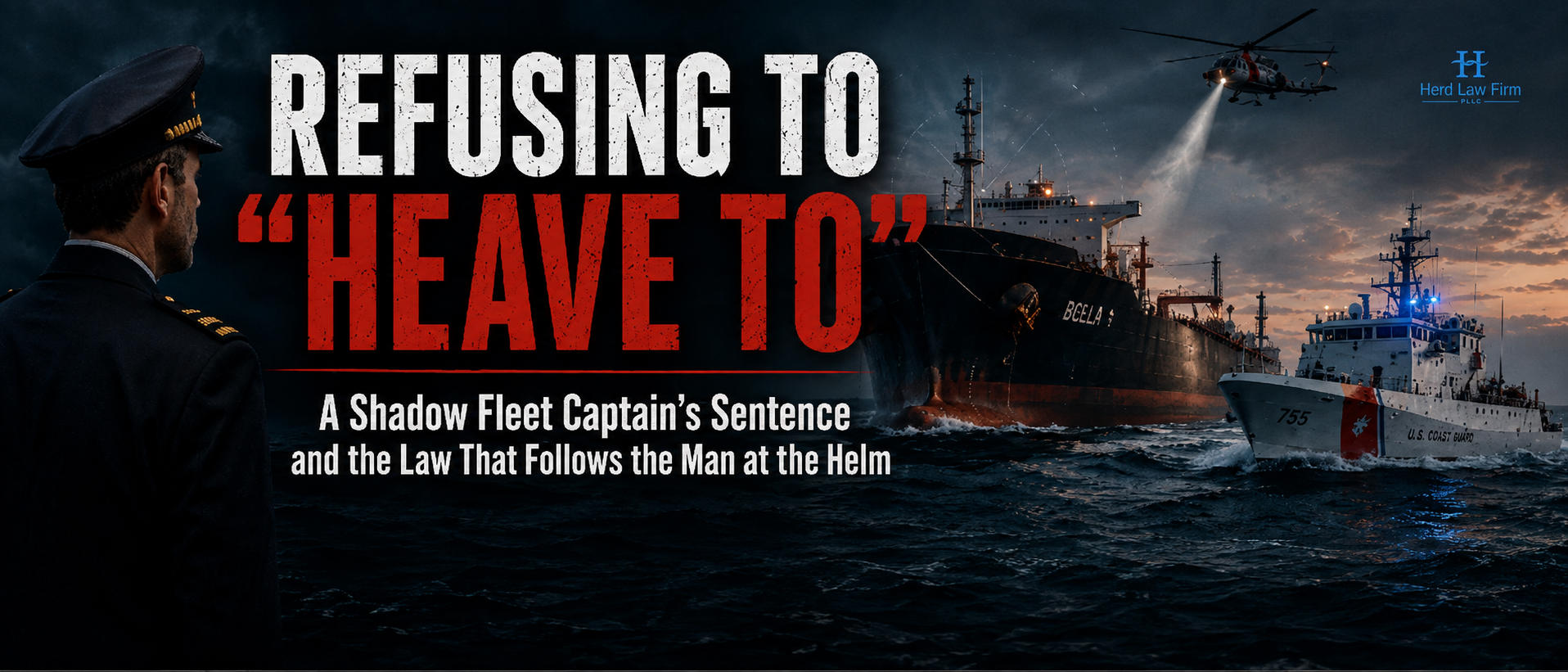
The Iran-backed Houthis have declared a ban on Israeli shipping through the Red Sea — just as Saudi Arabia’s Red Sea exports serve as the only meaningful relief valve for Iran’s Hormuz blockade. Here’s what maritime workers and clients need to know.
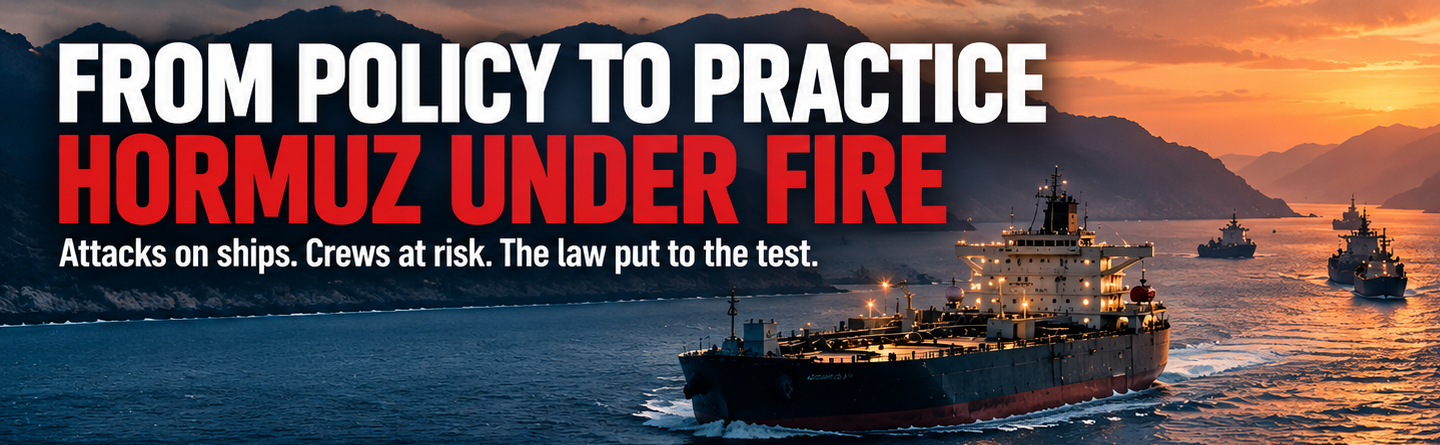
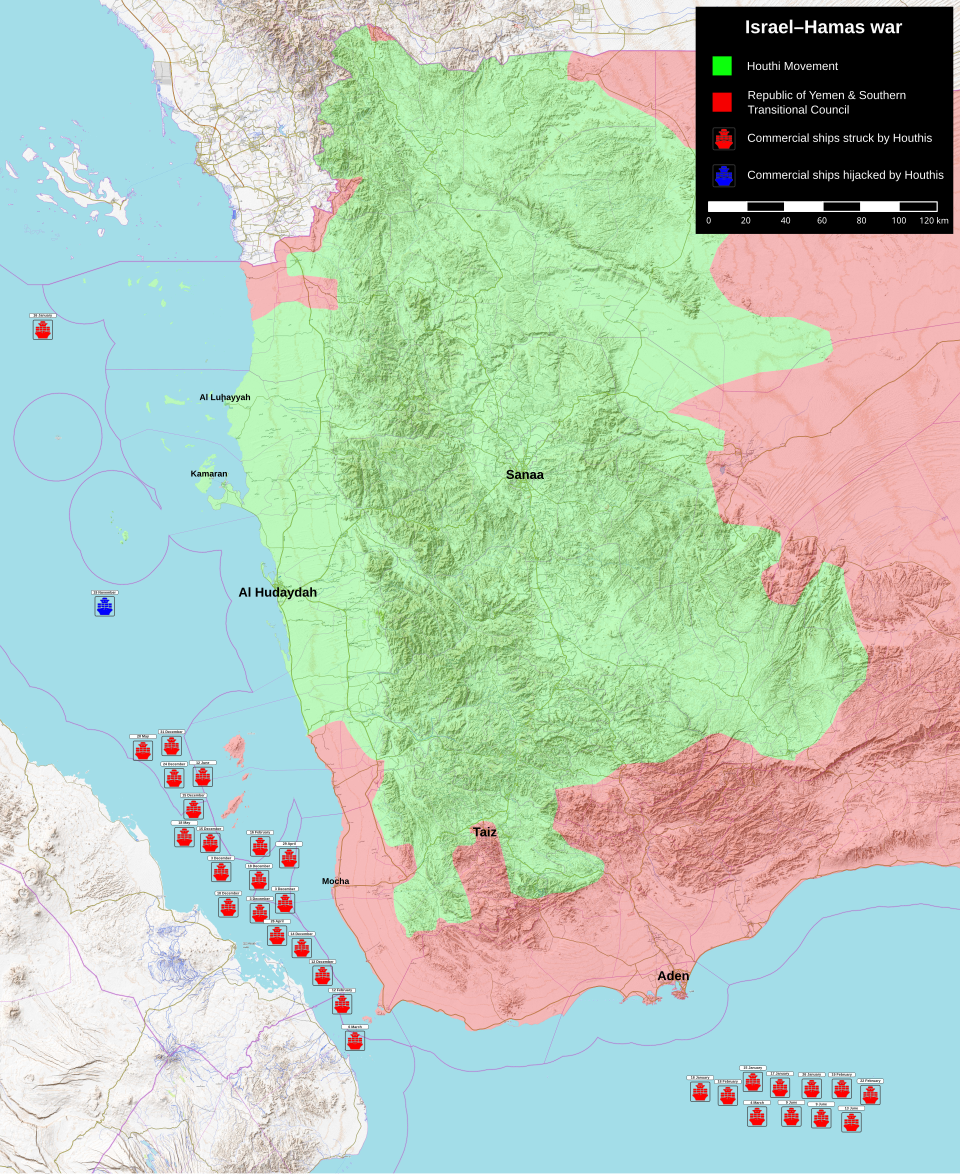
On Monday, Yemen’s Houthi movement declared a “complete and total ban” on Israeli maritime navigation in the Red Sea and launched a missile salvo at Israel, ending months of comparative quiet. The timing could hardly be worse. Since U.S. and Israeli strikes on Iran in late February, the Strait of Hormuz has been effectively blockaded, cutting off the passage through which roughly a fifth of the world’s seaborne oil and gas moves.
Saudi Arabia has compensated by rerouting over seventy percent of its crude exports through its Red Sea port of Yanbu — making the Red Sea the only meaningful pressure-relief valve left for global energy markets. The Houthis, who control Bab el-Mandeb at the Red Sea’s southern end, now threaten to close that valve too.
This is strategically different from the Houthis’ 2023–25 Red Sea campaign. During those attacks — which sank two vessels, killed four sailors, and forced Maersk and Hapag-Lloyd to reroute around Africa — Hormuz was open and cargo had somewhere else to go. Today it does not. A sustained Houthi campaign now threatens not just higher shipping costs, but the only workaround global energy markets have found.
Who Are the Houthis, and Why Now?
The Houthis are a Zaydi Shi’a movement that has controlled much of Yemen since seizing the capital of Sana’a in 2014. They are part of Iran’s “Axis of Resistance” — ideological allies, though not straightforward proxies in the way Hezbollah is. They have been relatively quiet since the Gaza ceasefire last October, constrained by their ceasefire with Saudi Arabia. However With Israel and Iran trading fire again this week as a two-month truce collapsed, that reserve appears to be ending.
Legal Implications for Maritime Workers and Operators
Three things to consider:
- First, war risk provisions: employment contracts, charter parties, and cargo insurance policies all have clauses governing vessel entry into designated conflict zones. The Red Sea has been formally high-risk since 2023, and those designations have only been reinforced by recent events.
- Second, duty to warn: operators routing vessels through waters where Houthi attacks are an actively declared risk (particularly for vessels that might be deemed “Israeli-linked,” a category the Houthis have historically applied broadly to any company using Israeli ports) have real disclosure obligations to their crews under the Jones Act and general maritime law.
- Third, injury claims in conflict zones are legally distinct from ordinary maritime accidents, potentially implicating war risk insurance, the LHWCA (Longshore and Harbor Workers Compensation Act), the Defense Base Act, and maritime tort law simultaneously. These situations require specialized attention from an experienced maritime attorney from day one.
Watching the Water
The Houthis don’t particularly care what flag your ship flies or what cargo it carries — if you’re in the wrong place, or connected to the wrong commercial network, you’re a target. How this develops depends on whether the Israel-Iran ceasefire can be restored, whether Saudi Arabia can restrain its Yemeni neighbor, and whether Monday’s announcement is strategic signaling, or the opening move of a sustained campaign.
We at the Herd Law Firm are proud to fight for seamen, maritime workers and passengers in all types of personal injury and death claims. As maritime personal injury attorneys (and sailors ourselves!) located in northwest Houston, we never waver in our commitment to help these maritime workers, passengers, and their families when they are injured or mistreated.
Sources:
Reuters / The Philadelphia Inquirer, “Houthis Join Iran War Fight, Threatening Red Sea Shipping Amid Hormuz Closure” (June 8, 2026)
Euronews, “Houthis Join Iran War Fight, Threatening Red Sea Shipping Amid Hormuz Closure” (June 8, 2026)
Stimson Center, “What the Red Sea Conflict Between the U.S. and the Houthis Taught Iran” (May 2026)
PBS NewsHour / AP, “A Houthi Missile Attack on Israel Raises Concerns About Red Sea Shipping Routes Being Blocked” (March 29, 2026)
Al Jazeera, “Houthis Warn ‘Fingers on the Trigger’ as US-Israeli War on Iran Continues” (March 27, 2026)
Global Security Review, “Red Sea Uncertainty: A 2026 Forecast for the Houthis’ Actions” (March 10, 2026)
The information in this post is for general informational purposes only and does not constitute legal advice. For questions specific to your maritime law issue, please contact us at 713-955-3699 or at Charles.Herd@HerdLawFirm.com.