Miami Barge-Sailboat Accident Claims Third Life: Maritime Collisions and the Law
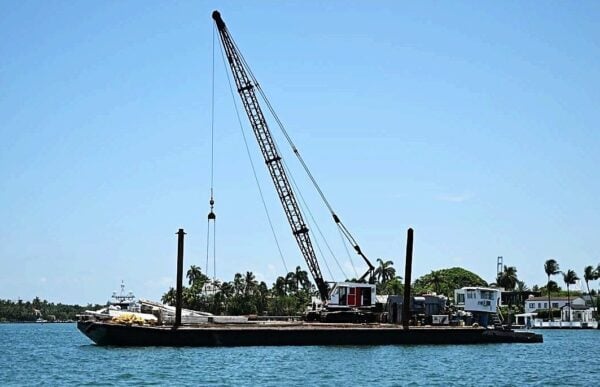 On July 28, 2025, a routine sailing trip turned into disaster when a commercial barge struck a sailboat carrying six people near Hibiscus Island on Miami Beach, resulting in all passengers being thrown into the water.
The sailboat was carrying five girls and a camp counselor and was part of the Miami Yacht Club summer camp program to teach children about sailing.
Two of the children—a 7 and a 13-year-old girl—were declared deceased upon arrival at Jackson Memorial Hospital.
In Miami several weeks later, a 10-year-old girl in critical condition has succumbed to her injuries, bringing the death toll to three.
The surviving passengers rescued include an 8 and 11-year-old girl, still in critical condition, and the 19-year-old counselor.
The Investigation
The U.S. Coast Guard, working alongside the Florida Fish and Wildlife Conservation Commission, is investigating the incident. Authorities from Argentina and Chile have been invited to participate, as the victims hailed from multiple countries.
Critical factors investigators will examine include:
- Weather and water conditions at the time of collision
- Visibility and lighting conditions
- Radio communications between vessels
- Compliance with navigation rules and right-of-way regulations
- Mechanical condition and operation of both vessels
- Training and certification of all operators involved
The Coast Guard’s Navigational Rules dictate sailboats typically have priority, or right-of-way over engine-powered boats on the water. However, sailboat operators must give way to a vessel “which, from the nature of her work, is restricted in her ability to maneuver as required by these Rules and is therefore unable to keep out of the way of another vessel.” This includes one vessel towing another because the job “restricts the towing vessel and her tow in their ability to deviate from their course”.
The USCG will ultimately determine if a tugboat pushing a barge falls under that definition. Images show a tug pushing a large barge with a crane mounted on top of it.
Initial toxicology tests for both the tug and barge crew members and the sailboat operator have returned negative results for alcohol and drugs. Authorities also are actively seeking public assistance, requesting anyone with video footage or eyewitness accounts to contact the Coast Guard.
Understanding Maritime Law and Your Rights
Boating accidents involving commercial vessels (such as barges) present unique legal challenges which are significantly different from typical car accident cases. Maritime law, also known as admiralty law, governs incidents that occur on navigable waters and involves both federal regulations and its own specialized legal standards.
Key Legal Considerations:
Commercial Vessel Standards: Commercial operators (like barge companies) are held to higher standards than recreational boaters and are held to strict federal regulations regarding crew training, vessel maintenance, and operational procedures.
Vessel Operator Responsibilities: Both recreational and commercial vessel operators have legal duties to maintain proper lookouts, operate at safe speeds, and follow navigation rules. Due to generally higher commercial vessel standards, commercial operators fall under stricter scrutiny.
Jurisdiction: Maritime accidents often involve multiple jurisdictions and types of legal frameworks, depending on where the incident occurred, what vessels were involved, and who was on board. This makes an experienced maritime law attorney very important to navigating these situations successfully!
Time Limitations: Maritime law includes specific statutes of limitations (deadline to file suit) that are different from typical personal injury cases, often as short as six months since the date of the incident. Preserving evidence and filing as quickly as possible is essential!
In the Event of a Maritime Accident:
- Contact the Coast Guard and local marine patrol to report the incident officially.
- Document everything: take photographs of vessel damage, injuries, and the incident scene if possible.
- Collect contact information from all witnesses, passengers, and crew members from other vessels.
- Seek immediate medical attention for all passengers, even if injuries seem minor.
- Don’t admit fault or make statements about the cause of the incident to anyone except authorities.
Important Documentation Steps:
- Obtain a copy of all official accident reports from the Coast Guard and local authorities.
- Keep detailed records of all medical treatment and expenses.
- Preserve all physical evidence, including damaged equipment and clothing.
- Maintain a log of all communication with insurance companies, investigators, and other parties.
- Take photographs of the scene, the equipment involved, and any injuries as they heal to document the progression.
Insurance and Legal Considerations:
- Contact your boat insurance company promptly, but consult your attorney before making any recorded statements.
- Do not sign any documents or accept settlement offers without consulting an attorney.
- Be aware that maritime law may provide different remedies than typical insurance claims.
- Understand that commercial vessel operators often have different insurance requirements and legal standards.
- Remember that you typically have limited time to file legal claims under maritime law.
While investigations continue into this tragic incident, it serves as a crucial reminder for all boaters and their families about safety on the water:
- Always maintain proper lookouts and bring/use appropriate safety equipment (first aid kit, life rings, flares, whistle, marine radio, flashlight, fire extinguishers, etc.)
- Ensure all passengers, especially children, wear properly fitting life jackets at all times.
- Stay alert to commercial traffic and potential hazards and maintain safe distances from larger vessels.
- Follow all navigation rules and local waterway regulations.
- Consider additional safety training courses for both adults and children.
Our hearts go out to all the families affected by this devastating collision. Working toward improved safety measures and accountability can help honor these children’s memories and protect others in the future.
All families facing these devastating circumstances should have compassionate and assertive legal representation who can handle the technical aspects of maritime law, while providing the attention that grieving families deserve.
If your family has been affected by a maritime accident, don’t navigate these complex legal waters alone. Contact an experienced maritime law attorney who can help protect your rights and guide you through this difficult time.
We at the Herd Law Firm are proud to fight for seamen, maritime workers and passengers in all types of personal injury and death claims. As maritime personal injury attorneys (and sailors ourselves!) located in northwest Houston, we never waver in our commitment to help these maritime workers, passengers, and their families when they are injured or mistreated.
8/7/2025
Sources: U.S. Coast Guard