
PFAS Chemicals May Be Linked to Your Ulcerative Colitis Diagnosis!
 If you’re living with gut issues due to inflammatory bowel disease (IBD), you know firsthand how much it can dramatically impact every aspect of your life. From the unpredictable flare-ups to the constant worry about finding the nearest bathroom, this disorder affects far more than just your digestive system—it affects your career, relationships, and overall quality of life.
But what if we told you that your medical condition might not be bad luck, genetic, or just “one of those things”? Emerging research suggests a troubling connection between ulcerative colitis (UC), a common type of IBD, and exposure to a group of toxic synthetic chemicals called PFAS (per- and polyfluoroalkyl substances). Many attorneys litigating PFAS cases have reported this diagnosis frequently among their sick and injured clients. Understanding this link could be crucial not only for your health, but also for your legal rights.
Understanding Ulcerative Colitis: More Than Just Stomach Problems
Ulcerative colitis is a form of inflammatory bowel disease that causes chronic inflammation and ulcers in the lining of the colon and rectum. Unlike Crohn’s disease, which can affect any part of the digestive tract, UC specifically targets the large intestine.
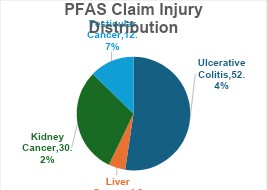 The Reality of Living with UC
For the estimated 907,000 Americans living with ulcerative colitis, life can be affected in many ways:
- Persistent symptoms: Bloody diarrhea, abdominal cramping, urgent bowel movements, and fatigue
- Unpredictable flare-ups: Periods of remission followed by sudden, severe symptom recurrence
- Lifestyle limitations: Difficulties traveling, participating in social activities, or maintaining consistent work schedules
- Emotional toll: Anxiety, depression, and social isolation are common
- Financial burden: Medical expenses, lost work time, and ongoing treatment costs
Traditional Understanding vs. New Evidence
For years, doctors attributed UC to a combination of genetic predisposition, immune system dysfunction, and environmental triggers. While these factors certainly play a role, researchers are increasingly focusing on specific environmental toxins, particularly PFAS chemicals, as potential catalysts for inflammatory bowel diseases.
PFAS: “Forever Chemicals” in Our Environment
PFAS chemicals have earned the nickname “forever chemicals” because they don’t break down naturally and can accumulate in our bodies and environment over decades. These synthetic substances have been used since the 1940s in a wide variety of consumer and industrial products.
Where You Encounter PFAS Daily
You might be surprised to learn how pervasive these chemicals are in everyday life:
In Your Kitchen:
- Non-stick cookware (Teflon and similar coatings)
- Food packaging (pizza boxes, microwave popcorn bags, fast-food wrappers)
- Water-resistant paper plates and cups
Around Your Home:
- Stain-resistant carpets and upholstery
- Waterproof clothing and outdoor gear
- Cleaning products and personal care items
In Your Community:
- Drinking water supplies (especially near industrial sites or military bases)
- Firefighting foam used at airports and military installations
- Industrial waste and landfill contamination
The Persistence Problem
Unlike many chemicals that our bodies can process and eliminate, PFAS compounds accumulate over time. Studies show that virtually all Americans have detectable levels of PFAS in their blood, with some compounds having half-lives of several years in the human body.
The Emerging Science: PFAS and Inflammatory Bowel Disease
Recent scientific studies are revealing concerning connections between PFAS exposure and inflammatory bowel diseases like ulcerative colitis. While research is ongoing, several key findings have emerged:
What the Studies Show
Immune System Disruption: PFAS chemicals can interfere with normal immune system function, potentially triggering the autoimmune response characteristic of UC. These chemicals may disrupt the delicate balance of gut bacteria and compromise the intestinal barrier that normally protects against inflammation.
Increased Disease Risk: Population studies have found higher rates of inflammatory bowel disease in areas with elevated PFAS contamination in drinking water supplies.
Correlation with Exposure Levels: Some research suggests that individuals with higher blood levels of certain PFAS compounds may be more likely to develop UC or experience more severe symptoms.
Your Legal Rights: Holding Polluters Accountable
If you’ve been diagnosed with ulcerative colitis and have reason to believe you were exposed to significant levels of PFAS, you may have legal options. Across the country, individuals and communities are successfully pursuing legal action against companies that manufactured or used PFAS chemicals without adequately warning about health risks.
What Compensation Might Include
Successful PFAS litigation has resulted in compensation for:
- Medical expenses (past and future treatment costs)
- Lost wages and reduced earning capacity
- Pain and suffering
- Reduced quality of life
- Monitoring and testing costs
Recent Legal Victories
Major chemical companies have already agreed to pay billions in settlements for PFAS contamination. For example, in 2023, 3M agreed to pay over $10.3 billion to resolve water contamination claims, and DuPont has faced significant judgments in PFAS-related health cases.
The Road Ahead: Hope Through Action
Living with ulcerative colitis is challenging enough without wondering whether corporate negligence contributed to your condition. While the science connecting PFAS to UC continues to evolve, the evidence is becoming increasingly compelling.
If you believe PFAS exposure may have contributed to your ulcerative colitis diagnosis, don’t wait to explore your options. Statutes of limitations may apply, and evidence preservation is crucial in environmental exposure cases.
What Are Your Legal Rights?
If your water has tested positive for PFAS contamination and you or your family have been harmed, you may have grounds for a legal claim.
Who Could Be Held Liable?
- Chemical manufacturers (such as 3M and DuPont)
- Government Entities that failed to regulate appropriately
- Industrial facilities or local municipalities that failed to notify residents or treat the water supply
What Can You Seek in a Lawsuit?
- Medical expenses and future health care
- Loss of income if illness affects your ability to work
- Pain and suffering
How PFAS Lawsuits Work
- Initial Evaluation – A legal team (such as the experienced team here at the Herd Law Firm, PLLC) will assess your exposure history, test results, and health symptoms.
- File a Claim – A competent and knowledgable lawyer can help you file your claims documents in a timely manner.
- Discovery – Your lawyer also can assist you in gathering evidence, including medical documentation and expert testimony.
- Settlement or Trial – Some PFAS lawsuits with many claimants are resulting in multi-million, even multi-billion-dollar settlements, including recent ones with 3M and DuPont.
Don’t Wait – Know the Time Limits
PFAS cases are subject to statutes of limitations, which vary by state. In many cases, the clock starts when you first learn of the contamination or the harm it caused. That’s why it’s crucial to act quickly.
Reducing Future Exposure
While you can’t eliminate PFAS entirely, you can minimize additional exposure:
- Use stainless steel or cast iron cookware instead of non-stick coated
- Avoid food packaging treated with water-resistant coatings
- Consider water filtration systems certified to remove PFAS
- Choose products labeled as PFAS-free when possible
Need Help?
If you think PFAS contamination has affected your or a loved one’s health, consider speaking with a knowledgeable legal professional such as the team here at the Herd Law Firm, PLLC about PFAS-related claims. If you have any questions, call us here at 713-955-3699 or email us at Charles.Herd@herdlawfirm.com to discuss your options!
8/18/25
Check out these Sources & Links:
- EPA PFAS Portal: https://www.epa.gov/pfas
- UCMR 5 Water System Contamination Map: https://epa.maps.arcgis.com
- EWG U.S. PFAS Contamination Sites Interactive Map: Interactive Map: PFAS Contamination Crisis: New Data Show 9,323 Sites in 50 States
- AFFF MDL Docket Info: https://www.jpml.uscourts.gov/mdl-2873
- Michigan Dept. of Environment, Great Lakes, and Energy: Michigan PFAS Action Response Team (MPART)
- PFAS Water Contamination Lawsuit | 2025 Updates & Settlements