Tesla’s Texas Robotaxi Revolution
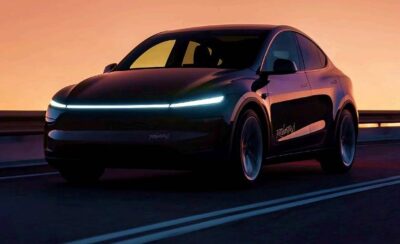 Tesla Robotaxi LLC is now listed as a licensed transportation network company with the Texas Department of Licensing and Regulation, joining the ranks of established ride-sharing giants like Uber and Lyft. But unlike them, Tesla’s vision extends beyond human-driven vehicles, instead paving the way for a fleet of autonomous Model Y vehicles to serve customers across Texas.
The timing of the license comes just ahead of new state legislation taking effect September 1, 2025. Tesla secured regulatory approval before new permit requirements became mandatory for robotaxis. Additional U.S. cities — including the San Francisco Bay Area and Phoenix, Arizona — are awaiting regulatory approval to join the rollout.
These developments are a few of many in the evolving autonomous vehicle landscape across the U.S. Waymo, Google’s self-driving car subsidiary, has been operating commercial robotaxi services in Phoenix since 2020, and has since expanded to San Francisco and Los Angeles. Amazon’s Zoox has been testing robotaxis in Austin, Miami, Los Angeles, while companies like Motional and Aurora have announced their progress on their own commercial deployment timelines.
Tesla’s robotaxi journey began in Austin this past June, where the company launched a pilot program using a small fleet of Model Y vehicles. Equipped with advanced cameras and sensors, these cars have been ferrying a select group of users around the Texas capital while human safety monitors ensure everything runs smoothly.
What makes Tesla’s approach different is integrating existing vehicle production with autonomous technology. While competitors often rely on heavily modified vehicles, or entirely custom-built platforms, Tesla’s mass-produced Model Y vehicles equipped with full self-driving capability could potentially improve the venture’s scalability.
Texas has become a popular and progressive nexus for autonomous vehicle development. With a business-friendly regulatory environment, diverse road conditions, and major metropolitan areas, Texas is an ideal testing ground for autonomous technology.
However, many challenges remain. Getting the public to fully accept autonomous vehicles is still a work in progress, and technical hurdles continue to challenge even the most advanced AI systems. Tesla will need to demonstrate not just that its robotaxis can operate safely, but that they can handle the unpredictable nature of real-world driving scenarios. Robotaxis also raise questions about the employment future of the traditional driver workforce.
The success or failure of Tesla’s Texas expansion will affect how other states approach autonomous vehicle regulation, and how quickly this technology expands. For now, Teslas in Texas are pushing the boundaries of the robotaxi revolution.
We at the Herd Law Firm, PLLC, are proud to support drivers, mariners and passengers of all types of vehicles and waterborne vessels. We are motorcycle riders too! We support users of our common waterways and on the road, and have successfully represented many victims injured or killed in seeking the assistance and compensation they so need and deserve.
8/15/2025