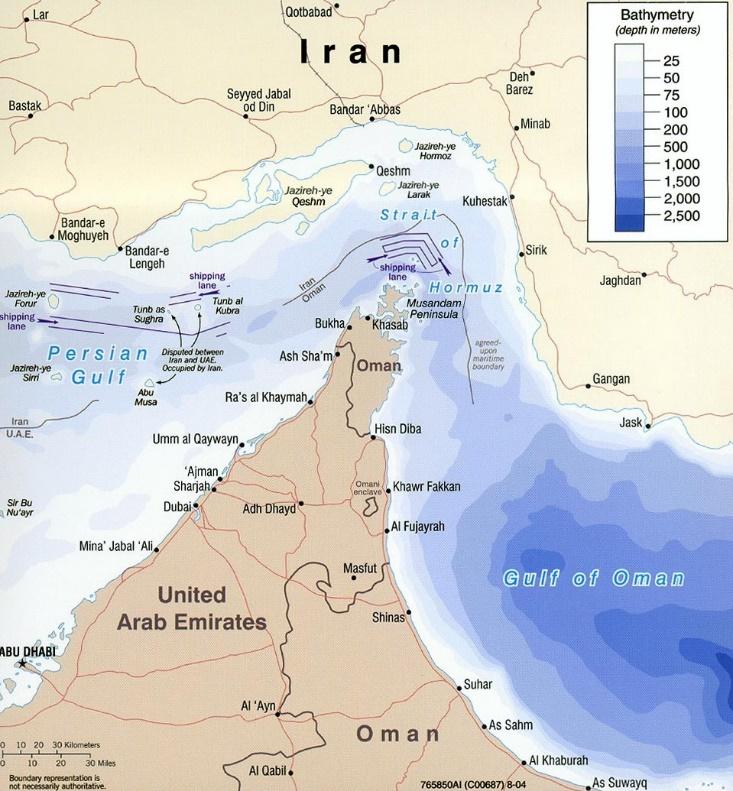
Iran has declared the Strait of Hormuz “completely open” for the duration of the Israel-Lebanon ceasefire — even as the U.S. Navy’s blockade of Iranian ports holds. Here’s what you need to know.
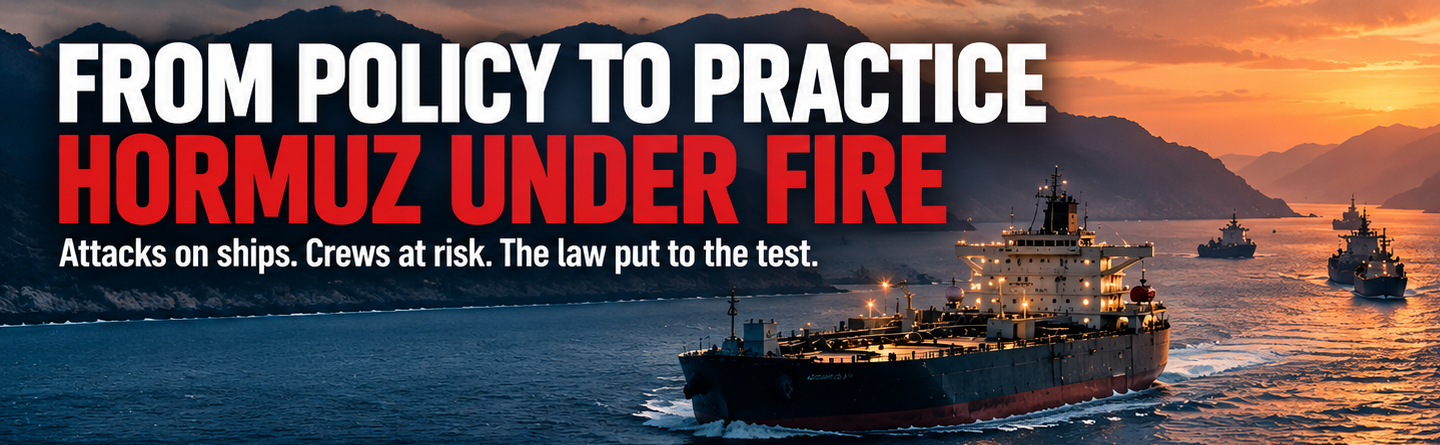
The Strait of Hormuz — 21 miles wide at its tightest, a chokepoint that could be lately described as “the world’s pressure valve” — has been effectively closed since February 28, when U.S. and Israeli forces struck Iran. Today, that changed.
Iran’s Foreign Minister Abbas Araghchi announced this morning that passage for all commercial vessels is “completely open” — tied explicitly to the new 10-day ceasefire between Israel and Lebanon that took effect overnight. Markets have surged, oil prices have dropped. President Trump praised the news but added a caveat: the U.S. naval blockade of Iranian ports “will remain in full force” until a peace deal is signed.
So, as of now: The Strait is open, but the blockade will remain.
Why is this waterway so consequential?
Before the crisis, roughly 20 million barrels of oil per day moved through here — about 20 to 25 percent of global oil trade — along with around 20 percent of the world’s liquified natural gas (LNG), primarily from Qatar. Iraq, Kuwait, Bahrain, and the UAE have no practical alternative export route. When it closed, over 130 container ships were trapped inside the Persian Gulf. The Dallas Fed estimated a sustained closure could push crude to $98 per barrel and shave nearly three points off global GDP growth.
What “open” actually means right now
For anyone working on the water, “open” may have some significant caveats:
- Vessels must use a supervised, coordinated route designated by Iran’s Ports and Maritime Organization. Whether transit fees/tolls will be levied remains unclear.
- The U.S. Navy’s blockade of Iranian ports remains active. Although Iran says the Strait is open for commercial transit, but the U.S. Navy is simultaneously running a blockade of Iranian ports. Transiting the Strait versus pulling into an Iranian port are technically two different maneuvers, but in practice the line can blur fast. A vessel heading to load cargo at Bandar Abbas, for example, would be transiting the Strait and accessing an Iranian port. Under Iran’s announcement, that transit is permitted. Under the U.S. blockade, that port approach will be intercepted. Any vessel caught between what Iran says and what the U.S. Navy says faces legal and operational exposure.
- The ceasefire is fragile. U.S. envoy Tom Barrack called it “so delicate” and all parties “equally untrustworthy.” If the ceasefire collapses, the Hormuz opening goes with it.
Watch the ten-day clock
Today’s opening is a diplomatic “trial run”, not a stable operational guarantee. Those of us who love the water — whether from a sailboat on Galveston Bay or from a deck of a tanker halfway across the globe— know that free, open waters are a gift and a privilege. The Strait is open today. Keep one eye on the horizon.
We at the Herd Law Firm are proud to fight for seamen, maritime workers and passengers in all types of personal injury and death claims. As maritime personal injury attorneys (and sailors ourselves!) located in northwest Houston, we never waver in our commitment to help these maritime workers, passengers, and their families when they are injured or mistreated.